Various White Fence Designs Offering Pro for Modern Properties
Defining the Property Line with Style
A fence does more than mark where your yard ends. It sets the stage for your entire home’s curb appeal. When you choose a white fence, you are making a classic statement. It signals cleanliness, order, and a welcoming atmosphere. However, the specific design you select changes that message completely. A traditional picket fence whispers of neighborhood charm and safety. A sleek, horizontal railing system speaks to contemporary minimalism and architectural precision. Various White Fence Designs Offering Pro helps homeowners and designers navigate these choices with confidence. It is about finding the balance between visual beauty and practical necessity.
Consider the personality of your home first. A Victorian-era house might look disjointed with a hyper-modern metal railing. Conversely, a mid-century modern home could feel dated behind a fussy, ornate barrier. The material plays a huge role here as well. Vinyl offers durability and low maintenance, which is a massive selling point for busy entrepreneurs and small business owners managing commercial properties. Wood provides a natural, organic texture but requires regular sealing and painting to maintain that crisp white finish. Composite materials often bridge the gap, offering the look of wood with the resilience of synthetics. Understanding these visual characteristics is the first step in professional property planning.
Exploring the Spectrum: From Picket to Modern Railing
The collection of available styles is vast, but they generally fall into three distinct categories. Each serves a different functional and aesthetic purpose.
The Timeless Picket
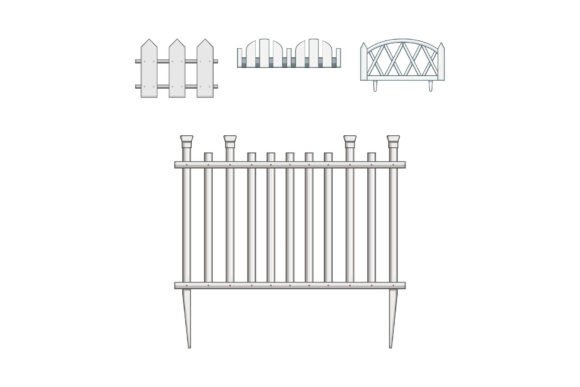
The white picket fence is an icon of domestic life. It is usually knee- to waist-high, designed to keep pets and children in the yard while maintaining an open, friendly view of the street. Modern variations exist, though. You might see dog-eared pickets for a softer look or gothic points for a touch of drama. For a more substantial feel, a board-on-board design eliminates gaps, offering more privacy without building a solid wall. This style works exceptionally well for front yards where you want to define space without creating a fortress.
Decorative and Ornamental Styles
When security is a higher priority but aesthetics cannot be compromised, decorative fencing shines. Think of aluminum or steel railings with intricate scrollwork or finials. These designs often mimic the look of wrought iron but come in powder-coated white finishes that resist rust. They are perfect for framing a garden or securing a pool area. The visual weight is heavier than a picket, lending an air of estate-like permanence. They function as a design asset, adding verticality and structure to the landscaping.
Modern Railing and Horizontal Slats
For those with a minimalist or industrial design language, modern railing styles are the answer. These often feature clean lines, flat tops, and horizontal slats rather than vertical ones. They can be made from composite materials or metal. This approach creates a sleek perimeter that complements modern architecture. It provides a strong visual barrier and high security, often used in urban environments or for commercial properties where a professional, contemporary edge is required. The simplicity of the design ensures it does not clash with complex landscaping or bold building facades.
Strategic Placement and Security
Choosing the right design involves more than just picking a pretty picture. You have to evaluate the specific needs of the property. For a backyard, privacy is often the main driver. A six-foot solid white fence creates a secluded oasis, blocking noise and nosy neighbors. It turns the outdoor space into an extension of the home’s living area. For a front yard, the goal shifts to framing the house and guiding visitors to the front door. A low fence does this effectively without hiding the facade.
Security needs dictate height and material strength. If you are securing a pool, local regulations usually mandate specific heights and self-closing gates. Decorative metal fences often meet these codes while looking elegant. For general perimeter security in a business district, a sturdy composite or metal railing system deters trespassers while maintaining a professional appearance. It is crucial to check local zoning laws and HOA guidelines before installation. Height restrictions, setback distances, and material bans are common. Various White Fence Designs Offering Pro ensures you are compliant while achieving your desired look.
Installation and Maintenance Realities
As a property owner or manager, you must consider the long-term upkeep. Wood fences are beautiful, but white paint shows dirt and mildew quickly. You might need to pressure wash them annually and repaint every few years. Vinyl and composite options are much more forgiving. A simple hose-down usually restores their brightness. They do not rot, warp, or attract termites, which is a significant advantage for long-term budgeting.
Installation complexity varies. Prefabricated panels make DIY installation feasible for simple picket or vinyl designs. You dig post holes, set them in concrete, and attach the panels. However, modern railing systems or custom decorative designs often require professional installation. The precision needed to keep lines straight and gates swinging correctly is high. Hiring a pro ensures the fence is structurally sound and visually perfect. It is an investment in the property’s value and your own peace of mind.
Harmonizing with Landscape and Architecture
The fence should never exist in isolation. It must speak the same design language as the house and the garden. A rustic garden filled with wildflowers pairs beautifully with a classic picket. A structured, geometric garden with boxwood hedges calls for the clean lines of a modern railing. Color is another factor. While we are focusing on white, the shade of white matters. A bright, stark white can look clinical against a warm, earth-toned brick house. An off-white or cream might be a softer, more integrated choice.
Think about the "negative space" created by the fence design. A picket fence creates a rhythm of light and shadow. A solid privacy fence creates a solid backdrop that makes green plants pop. Use the fence to highlight focal points in your yard. A decorative section can frame a statue or a water feature. The fence becomes a tool for visual storytelling, guiding the eye and creating zones within the landscape. It is a key component of the property's overall brand identity, so to speak.
Making the Final Decision
When you are ready to commit, gather samples and look at full-size installations if possible. Photos can be deceiving regarding scale and texture. Walk the perimeter of your property with a critical eye. Where are the slopes? How does the sun hit different sides of the yard? These physical realities will influence your choice. A steep slope might require a racked panel that follows the contour of the ground, which is easier with some designs than others.
Ultimately, the best white fence design is one that makes you feel good every time you pull into the driveway. It should enhance your daily life, provide the security you need, and require a level of maintenance you are willing to perform. Whether you choose the nostalgic charm of a picket, the stately elegance of ornamental metal, or the sharp sophistication of modern railings, you are investing in the character of your property. It frames your world, quite literally, so make that frame count.