Exploring the Rugged Appeal of a Western Hat Collection
The Enduring Spirit of Western Headwear
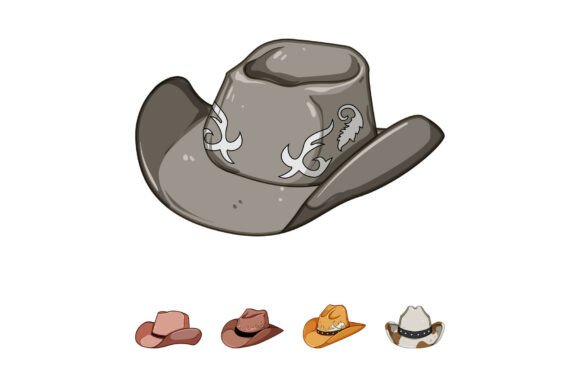
When you think about a Cowboy Hat Collection with Different Sty, you aren't just picturing a pile of headwear; you are visualizing a catalog of distinct personalities. This isn't merely about protection from the sun; it is about the silhouette, the shadow it casts over your eyes, and the statement it makes the moment you walk into a room. A curated collection represents versatility—a spectrum ranging from the battered, sweat-stained ranch hat to the pristine, stiff-brimmed Stetson reserved for Saturday nights. For designers, content creators, and entrepreneurs, understanding this visual language is crucial. It captures the essence of rugged outdoor fashion while offering diverse accessory options that speak to authenticity and heritage.
The visual characteristics of these hats are defined by their structure. We are talking about the brim, which can be flat, curled, or snapped up at the sides. We are discussing the crown, which varies from the high-peaked "cattleman" crease to the pinched front of a "gambler" style. In the context of visual branding and typography, think of these hats as display fonts. Just as a premium font sets the tone for a logo, the shape of a cowboy hat defines the character of the wearer. A wide, sweeping brim suggests confidence and drama, much like a bold serif typeface, while a tighter, more structured hat suggests precision and practicality.
Color Palettes and Decorative Elements
A truly versatile collection goes beyond the standard tan felt. You will find hats in deep chocolate browns, stark winter whites, and dusty charcoal grays. There are even straw variations in natural golds and creams, perfect for the summer heat. But the "style" aspect comes alive in the details. We see leather bands adorned with silver conchos, turquoise stones, or intricate beadwork. Some feature feather accents, while others rely on simple grosgrain ribbons for a cleaner look.
For those in packaging design or editorial design, these colors and textures offer a rich palette to draw from. A black hat with a silver buckle speaks to a modern, perhaps rock-and-roll aesthetic, fitting well with modern typography and sans serif fonts. Conversely, a weathered brown hat with tooling details pairs beautifully with a handwritten font or script font to evoke nostalgia and handcraft. This collection acts as a masterclass in accessory coordination, showing how small decorative elements can elevate a functional item into a piece of art.
Branding and Logo Design
If you are a brand strategist or small business owner, the visual language of a Cowboy Hat Collection with Different Sty offers a strong foundation for brand identity. This aesthetic isn't limited to ranches or rodeos anymore; it has crossed over into high fashion, festival wear, and artisanal goods. Using this imagery in your logo design can communicate durability, tradition, and a connection to the land. It works exceptionally well for brands dealing in leather goods, outdoor equipment, craft beverages, or bespoke clothing.
When pairing this imagery with text, choosing the right typeface is critical. A rugged, textured serif font can mimic the weight of felt, while a clean sans serif font can provide a modern counterpoint to the vintage subject matter, preventing the design from looking like a costume. The goal is to balance the "classic western wear" vibe with contemporary design principles to ensure it feels relevant to a modern audience aged 20 to 50.
Digital Media and Social Graphics
For marketers and bloggers, the diversity of styles within a single collection provides endless content opportunities. A social media graphics campaign could feature a "Hat of the Week" series, highlighting how different headwear changes the mood of an outfit. This type of content is highly engaging because it is visually distinct.
Consider the practical applications in web design. High-quality imagery of these hats can serve as strong focal points for headers or "About Us" sections for lifestyle brands. When overlaying text on these images, readability is paramount. You need to ensure your chosen display font has enough contrast against the texture of the hat. Often, a creative font with unique ligatures can draw the eye, but it must remain legible against the complex backgrounds of fur felt or woven straw.
Evaluating Visual Hierarchy and Fit
Just as you would test font pairings before finalizing a design, you must evaluate the "fit" of the hat style to your specific project. If you are designing a menu for a steakhouse, a dark, formal hat style suggests a premium dining experience. If you are creating graphics for a music festival, lighter colors and more ornate decorations suggest fun and freedom.
Think of the hats as design assets. You wouldn't use a heavy, ornate script font for body copy, and similarly, you wouldn't use a formal top-hat style for a casual backyard BBQ flyer. The visual weight matters. A large, embellished hat draws significant attention and should be balanced with simpler typography to avoid visual clutter. Conversely, a minimalist hat style allows for more elaborate typographic experimentation.
Consistency and Professionalism
Maintaining consistency across a campaign is vital. If you select a specific style from the collection—say, the "Rancher" style with a curled brim—stick to that visual language throughout the project. This builds brand recognition. Mixing too many hat styles without a cohesive theme can look disjointed, much like using five different font families in a single brochure.
For commercial font users and graphic designers, the lesson here is about curation. A Cowboy Hat Collection with Different Sty is not about using everything at once; it is about selecting the right tool for the job. Whether you are creating packaging design for a new line of hot sauces or developing a brand identity for a boutique hotel, the western aesthetic provides a versatile, rugged, and deeply human touchpoint. It reminds us that style is often born from function, evolving into something that defines who we are. By understanding the nuances of the brim, the crown, and the band, you can harness this powerful visual language to create designs that are not only beautiful but deeply resonant.