Timeless Elegance: Using Vintage Pink Floral Junk Journal Pages
The Visual Character of a Romantic Design Suite
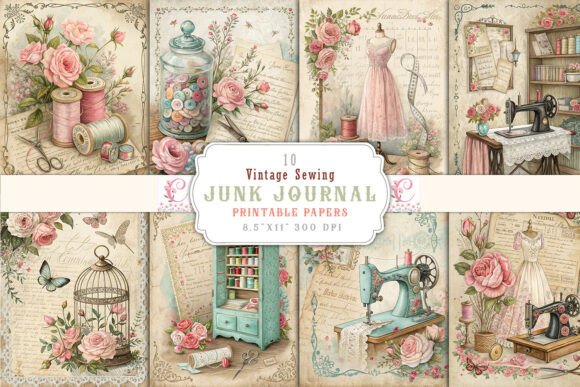
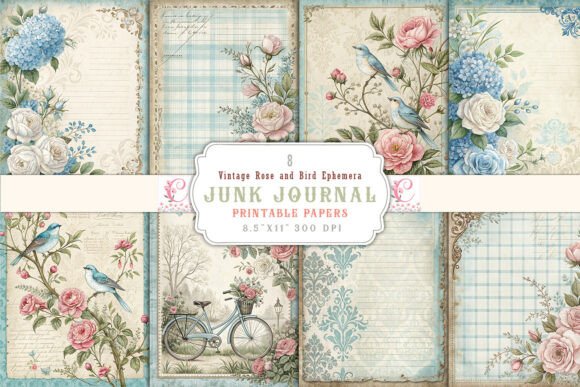
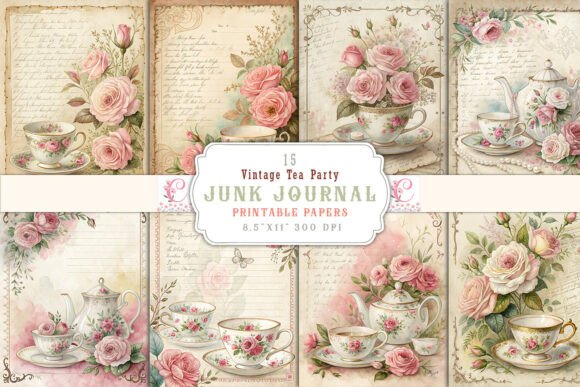
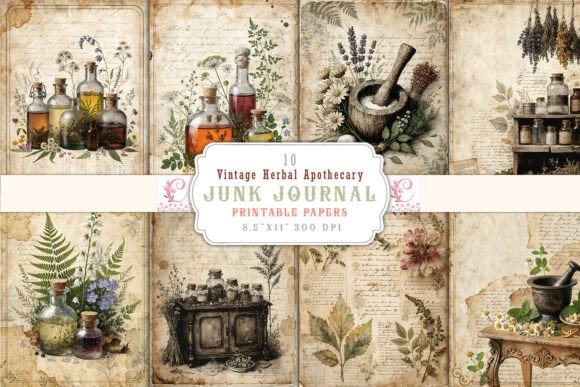
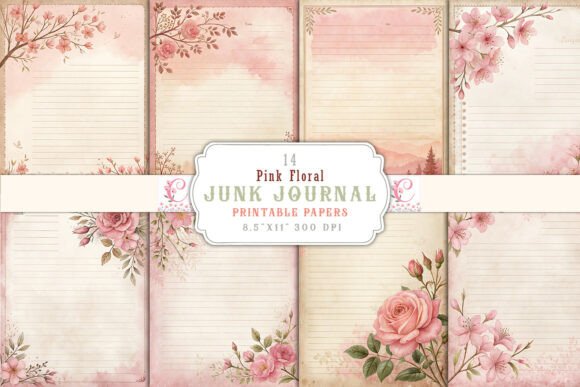
The Vintage Pink Floral Junk Journal Pages collection offers more than just decorative paper; it provides a distinct visual voice rooted in nostalgia and romanticism. The personality of these digital assets is defined by a specific color palette—muted pinks, dusty roses, and faded greens—that evokes a sense of timeless elegance. Unlike modern, high-contrast graphics, the style here leans into the imperfections of aged paper and soft botanical illustrations. This creates an aesthetic that feels organic, handcrafted, and deeply personal. The appeal lies in its ability to instantly add warmth and texture to any project, bypassing the coldness of digital perfection for something more human and tactile.
Visually, these pages function as a versatile foundation. The floral elements are typically rendered with a delicate touch, avoiding bold or aggressive lines. This subtlety is key to their utility; they support rather than overwhelm. The overall mood is gentle, nostalgic, and slightly melancholic in a beautiful way—perfect for projects that aim to tell a story or preserve a memory. For a designer or crafter, understanding this inherent personality is the first step to using the asset effectively. It’s not just a background; it’s the emotional setting for your content.
Practical Applications for Creative Professionals
The true value of the Vintage Pink Floral Junk Journal Pages is revealed in their application across diverse projects. For brand identity work, especially for boutiques, florists, wedding planners, or artisanal product lines, these pages can serve as foundational textures for packaging mockups or social media templates. They help establish a brand identity that communicates care, heritage, and a personal touch. In editorial design, such as for a magazine feature on heritage crafts or a romantic novel’s interior, these pages can create captivating chapter dividers or background layers that enhance the narrative without distracting from the text.
For digital creators and marketers, the high-resolution JPGs are perfect for crafting social media graphics that stand out in a feed. A textured background with a subtle floral motif can make a quote, announcement, or product shot feel more curated and intentional. Bloggers and content creators can use them to design unique lead magnets, printable inserts for planners, or aesthetic decorations for their websites, adding a layer of visual depth that stock photos often lack. The key is to treat them as design assets within a larger system, not as isolated decorations.
- Scrapbooking & Collage: Use as base layers or torn fragments for digital and hybrid projects.
- Handmade Cards & Tags: Print on quality paper to create tangible, textured gifts.
- Digital Planning & Notebooks: Import into apps like GoodNotes for beautiful, personalized digital journals.
- Mixed Media Art: Combine with other digital download elements for complex, layered compositions.
Integrating with Modern Typography and Design
A common challenge when using vintage textures is pairing them with typography. The soft, organic nature of the Vintage Pink Floral Junk Journal Pages demands careful font selection to maintain readability and visual hierarchy. A clean, modern sans serif font like Montserrat or Lato can provide a striking contrast, grounding the floral whimsy with contemporary clarity. For a more harmonious blend, a classic serif font such as Garamond or Playfair Display complements the vintage feel, creating a seamless, elegant look. Avoid overly decorative script fonts or handwritten fonts for body text, as they can become illegible against the detailed backgrounds; reserve them for short headlines or accents.
The influence on visual hierarchy is significant. These backgrounds are rich in detail, so your foreground elements—be it text, logos, or product images—need sufficient contrast. Consider using solid color blocks, subtle drop shadows, or overlaying a semi-transparent layer to ensure your message remains the focal point. This isn’t about hiding the beautiful texture but about creating a balanced composition where the background enhances rather than competes. For brand perception, this careful integration signals professionalism and an eye for detail, turning a potential design pitfall into a hallmark of sophisticated modern typography practice.
A Guide to Selection and Project Evaluation
Before purchasing any premium font or asset pack, a practical evaluation is essential. First, download and unzip the folder to inspect the files closely. Scrutinize the 300 DPI JPGs at full zoom to check for noise, color banding, or artifacts that might appear when printed. The 8.5 x 11-inch dimension is standard for US letter size, making it immediately useful for print projects, but verify if you need to adjust dimensions for other formats like A4. This is a digital download, so your ability to use the files hinges on having the right software to open ZIP folders and edit JPGs.
Next, consider font pairing and project fit in a concrete way. Create a quick mood board. Does the soft pink palette align with your client’s brand colors or the mood of your story? Test a few commercial font options against a sample page. Does a bold, geometric typeface feel too harsh, or does it create a dynamic tension you like? Remember, these are creative font backgrounds, so their role is supportive. For web design, use them as hero section backgrounds with a strong overlay, or as subtle textures in footer areas. For packaging design, they can inspire the entire color story and illustration style of a product line.
Finally, respect the licensing. While these are commercial font assets designed for broad use, always review the specific terms provided. Understanding whether they are licensed for unlimited personal and commercial projects, or if there are restrictions on print-on-demand services, is crucial for professional and ethical use. By approaching the Vintage Pink Floral Junk Journal Pages not as a quick fix but as a considered component in your design assets toolkit, you unlock their potential to add genuine depth, emotion, and narrative to your work.